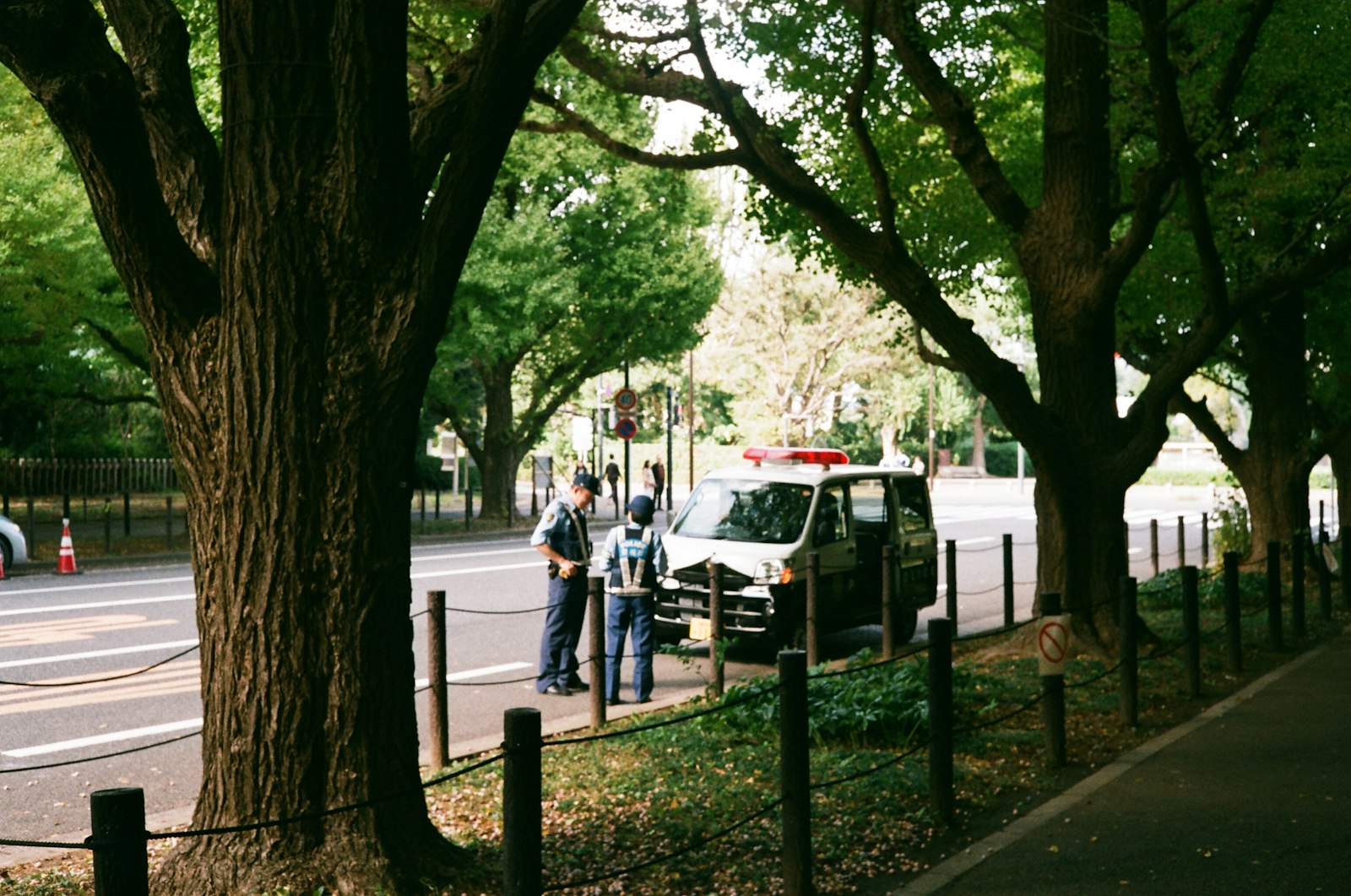
In England and Wales, police can stop and search you if they have reasonable grounds to suspect you are carrying drugs, a weapon, stolen property or something to be used in a crime, or without suspicion in an area a senior officer has authorised. Before searching, the officer must tell you who they are, the power used, what they are looking for and why, and you can ask for a copy of the record within three months. Scotland and Northern Ireland have their own rules.
Updated 15 October 2026 · Sources: legislation.gov.uk (PACE 1984 sections 1–3, Criminal Justice and Public Order Act 1994 section 60, Misuse of Drugs Act 1971 section 23, Justice and Security (NI) Act 2007 section 21), PACE Code A, GOV.UK, Police Scotland, mygov.scot, Police Ombudsman for Northern Ireland · Next review: January 2027
Stay calm and polite, and don’t walk away while you are being searched. Ask for the officer’s name and station, the power they are using and what they are looking for, and ask for a copy of the record. If you think it was unfair, you can complain afterwards. If anyone is in danger or hurt, call 999.
Your three key rights
When can police stop and search you?
In England and Wales, an officer can stop and search you if they have “reasonable grounds” to suspect you are carrying illegal drugs, a weapon, stolen property or something that could be used to commit a crime. The suspicion must rest on facts, information or intelligence. Without reasonable grounds, a search needs approval from a senior officer for an area, for example where serious violence is expected.
Stopping you only to ask questions is different: GOV.UK says you do not have to stop or answer, and not answering cannot on its own be a reason to search or arrest you.
What happens during a stop and search?
1. You are stopped
2. The officer explains
3. Proof they are police
4. The search
5. The record
What must the officer tell you before a search?
Under section 2 of PACE and Code A, the officer must, before starting, give their name and police station, the legal power they are using, what they are looking for and their grounds, and tell you that you can have a copy of the record. The search must not begin until this is done. GOV.UK adds that they must say if a body-worn camera is recording.
Can you refuse a stop and search?
Not if the officer has a legal power. GOV.UK says you cannot refuse a search where there are reasonable grounds, and the officer can stop you walking away. The reverse also applies: Code A says an officer must not search you, even with your consent, if no power to search applies. If you think the search was wrong, comply calmly and complain afterwards.
Can police search you without reasonable grounds?
Only under special powers. The main one is section 60 of the Criminal Justice and Public Order Act 1994: an inspector or above can authorise searches for knives and weapons in an area for up to 24 hours, which a superintendent can extend by another 24 hours. Inside that area, a uniformed officer can search without suspecting you personally.
Green: officer must suspect you. Amber: senior officer’s authorisation for an area instead. Under section 60 you can ask for a written statement that you were stopped within 12 months.
What can police ask you to take off?
In public, the law only lets an officer require you to remove an outer coat, jacket or gloves; GOV.UK says they may also ask for footwear. Removing other clothing, or items worn for religious reasons such as a turban or veil, must happen out of public view (not in a police vehicle) and, beyond jacket, footwear or gloves, with an officer of the same sex.
▲ allowed in public · ▬ only out of public view · ▼ strictly limited. Source: PACE section 2(9), Code A paragraphs 3.5–3.6, GOV.UK.
Stop and search: myths and facts
Many searches are for weapons, so it helps to know what the law treats as one: see what you can legally carry for self-defence and is pepper spray legal in the UK? For what members of the public, rather than police, are allowed to do, see citizen’s arrest in the UK.
How do I complain about a stop and search?
In England and Wales, complain to the police force involved, or call 101 if you are unhappy with how you were treated. Forces must pass certain complaints to the Independent Office for Police Conduct (IOPC), which also takes complaints on its website. Under-18s can contact the Children’s Commissioner for England or Wales, and Citizens Advice can help. Keep your search record: it shows the officer, time and grounds.
If something else happened to you on the street, such as abuse or threats, see harassment law in the UK, street harassment law and where to report a crime.
Is stop and search different in Scotland and Northern Ireland?
Yes. PACE sections 1 to 3 cover England and Wales only. In Scotland, Police Scotland need a specific reason and a specific legal power, can’t search you on consent alone, follow a Scottish Code of Practice and should give you a receipt. Northern Ireland has its own PACE Order, plus a power for police to stop you and ask your identity and movements, where refusing to answer is an offence.
▲ this guide · ▬ similar, separate law · ▼ important differences. Checked on legislation.gov.uk, scotland.police.uk and policeombudsman.org on 15 October 2026.
Frequently asked questions
Code A says the time must be reasonable and kept to a minimum, and the search should happen at or near where you were stopped. Police cannot detain you just to look for grounds to search you.
Ask at the time: you should get a copy or a receipt explaining how to get it. In England and Wales you can request the record within three months of the search (PACE section 3). After a section 60 search, you can ask for a written statement within 12 months.
Sources
- GOV.UK: police powers to stop and search, your rights
- Police and Criminal Evidence Act 1984, section 1, section 2 and section 3
- Home Office: PACE Code A
- Criminal Justice and Public Order Act 1994, section 60
- Misuse of Drugs Act 1971, section 23
- Police Scotland: stop and search and mygov.scot
- Justice and Security (Northern Ireland) Act 2007, section 21
- Police Ombudsman for Northern Ireland
General information for the UK, not legal advice. Laws change: check GOV.UK or a solicitor for your situation. In an emergency, always call 999.
Keep reading
Know your rights, and let your people know where you are
Safety App UK helps you plan your journey and stay connected. The live safety map, built from police data and community reports, shows police stations and Ask for Angela venues and helps you choose safer routes. Share your live location with a trusted circle, get Safe Zone alerts, and send an SOS by button or shake, or automatically in higher-crime zones, with live location and live video to your circle. It does not call the emergency services, so always call 999 first. Free for 7 days, then £2.99 a month. For ages 16+.