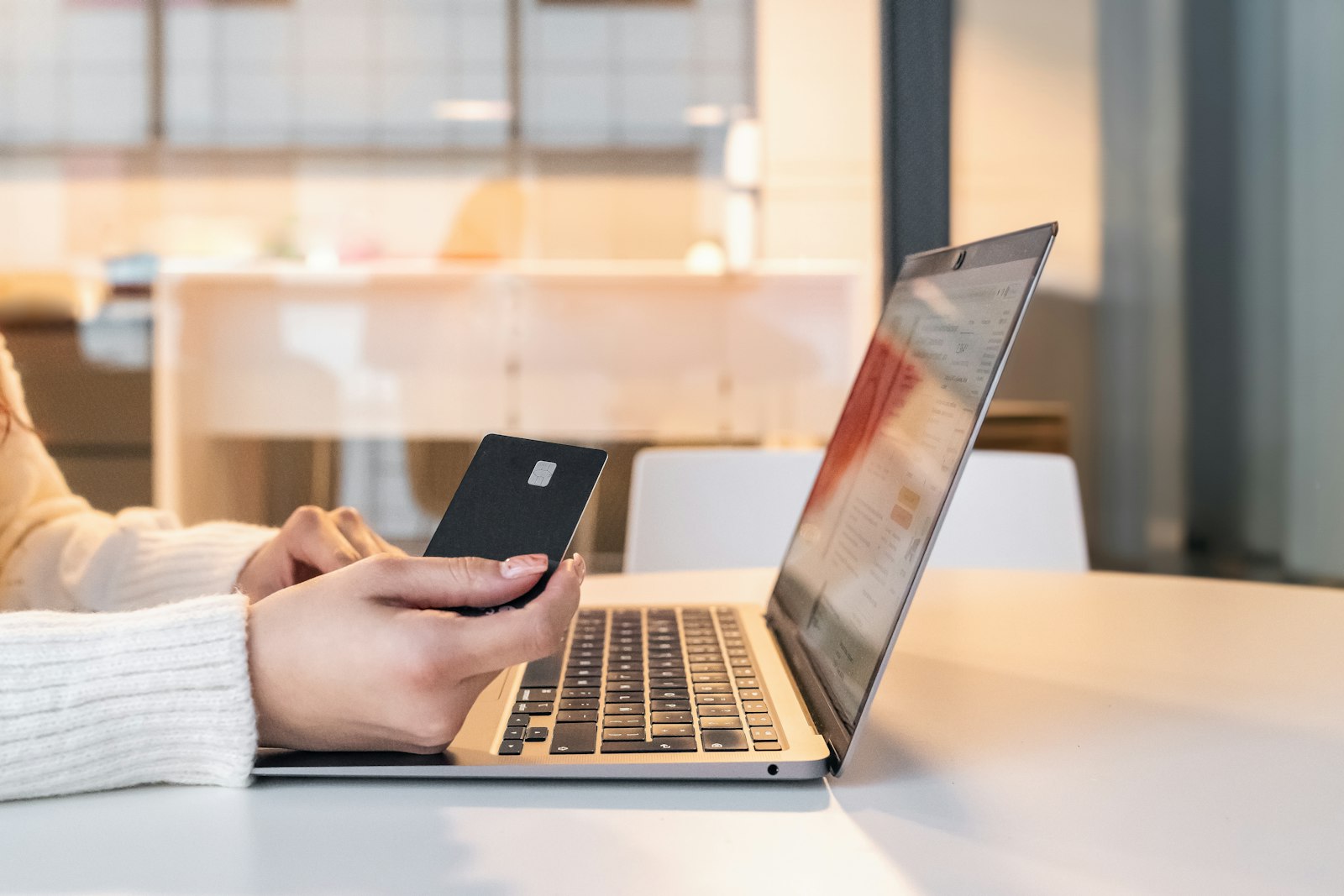
Online shopping scams peak between Black Friday and January: police figures show £11.8 million was lost to online shopping fraud in the 2024 festive season alone. Buy from shops you have checked, never pay a seller by bank transfer, and use a credit card where you can, because it gives you the strongest legal protection. If you paid a fake shop, call your bank on 159 straight away.
Updated 19 October 2026 · Sources: NCSC, City of London Police, Action Fraud/Report Fraud, MoneyHelper, Citizens Advice, GOV.UK
The sooner your bank knows, the better your chance of stopping the payment or getting money back. Call 159 or the number on the back of your card, ideally from a different phone. If someone is threatening you or you are in danger, call 999.
Christmas shopping fraud in four numbers
£11.8m: NCSC news release of 17 November 2025 (City of London Police figure). 16,000+, 43%, 18.9%, £695 and age 42: NCSC news release of 18 November 2024 (Action Fraud reports, November 2023 to January 2024). Checked 19 October 2026. Many victims never report, so the real totals are higher. Action Fraud is now called Report Fraud.
When is Black Friday 2026, and why do scams rise then?
Black Friday falls on Friday 27 November 2026 and Cyber Monday on 30 November, but many “deals” start weeks earlier and run into the January sales. Criminals copy that rush: fake shops, fake adverts on social media and “only 2 left” countdowns push you to pay before you check. The NCSC warns that scarcity and limited-time offers are classic fraud tactics.
How can you tell if a shop or deal is fake?
Look for the pattern, not the logo. A fake shop usually has prices far below everyone else, pressure to buy now, few or no real reviews on trusted sites, no proper contact details and, often, a request to pay by bank transfer. Search the shop’s name with the word “reviews” or “scam” before you buy, and type the address of big brands yourself rather than tapping an advert.
Red flags to look for
Based on NCSC and Home Office “Stop! Think Fraud” advice, checked 19 October 2026. Got a text about a parcel you didn’t order? See our guide to fake delivery texts.
What is the safest way to pay online?
A credit card is usually safest. Under section 75 of the Consumer Credit Act, the card company is jointly liable for items costing more than £100 and up to £30,000. Debit, credit and prepaid cards can also use chargeback, usually within 120 days. Bank transfers, gift cards and money transfer services are the hardest to get back.
▼ green = strongest protection, ▬ amber = some protection, check the rules, ▲ red = avoid paying a shop this way. Based on MoneyHelper’s card-protection guide and Citizens Advice’s “get your money back after a scam” page, checked 19 October 2026. Scam refunds for bank transfers have a cap and banks may deduct an excess, so ask your bank for the current rules.
Paid a fake shop? What to do now
1. Stop paying and save the evidence
2. Call your bank on 159
3. Report the fraud
4. Report the website and the advert
5. Watch for follow-up scams
Steps from the NCSC’s online shopping fraud page and GOV.UK, checked 19 October 2026. More detail: how Report Fraud works and where to report a crime in the UK.
Are social media and marketplace sellers riskier?
They are where much festive fraud starts: 43% of Action Fraud’s 2023–24 festive reports mentioned social media and almost 1 in 5 an online marketplace. Keep every payment inside the marketplace’s own checkout, never pay a private seller by bank transfer, and see an item in person before paying where you can. Scammers who move you off the platform often use the same tricks as in romance scams.
Myths vs facts
Frequently asked questions
Read reviews on trusted review sites, not just on the shop’s own pages, and search the shop’s name with “scam”. Check for a real UK address and phone number, compare the price with well-known retailers, and type big brands’ web addresses yourself instead of tapping adverts. If anything feels wrong, stop.
Possibly. For UK Faster Payments and CHAPS payments made since 7 October 2024, banks should usually refund scam victims, up to a cap and sometimes minus an excess. They can refuse if they think you weren’t careful enough. Call your bank on 159 straight away; our romance scams guide explains the rules.
Related guides: fake delivery texts, Report Fraud explained and doorstep scams and rogue traders.
Sources
- NCSC: bargain hunters urged to stay alert to cyber scams (17 November 2025)
- NCSC: Black Friday warning, figures reveal rising losses (18 November 2024)
- NCSC: online shopping fraud
- NCSC: report a scam website
- MoneyHelper: section 75 and chargeback protection
- Citizens Advice: check if you can get your money back after a scam
- legislation.gov.uk: Consumer Credit Act 1974, section 75
- GOV.UK: avoid and report internet scams and phishing
- Report Fraud
General safety information, not legal or financial advice. Refund rules can change, so check with your bank or card provider. In an emergency, always call 999.
Keep reading
Christmas shopping trips and late nights out: get home safe too
Safety App UK puts a live safety map in your pocket, built from police data and community reports, with police stations, Ask for Angela venues and safer routes home. Trigger an SOS by button or shake, or automatically in higher-crime zones, to send your live location and live video to a trusted circle, and use Safe Zone alerts so they know when you arrive. It does not call the emergency services, so if you are in danger always dial 999 first. Free for 7 days, then £2.99 a month. For ages 16+.