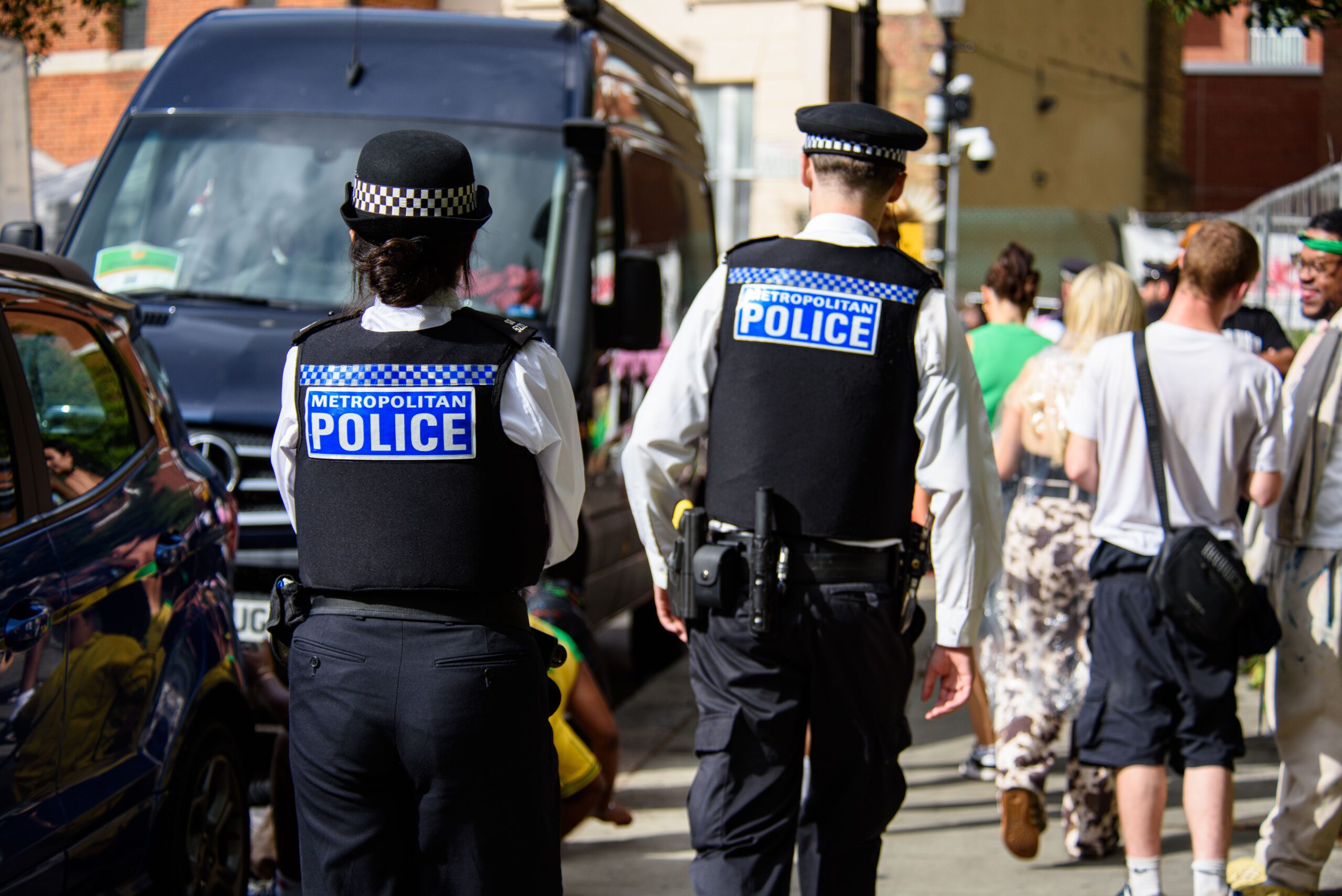
Knife crime in England and Wales is falling. Police recorded 48,774 offences involving a knife or sharp instrument in the year to March 2026, down 8% on the year before and 12% below the pre-pandemic year to March 2020. Knife homicides fell 14% to 176, the lowest since 1991. Most knife crime is assault or robbery in big metropolitan areas.
Updated 2 October 2026 · Sources: ONS Crime in England and Wales (year ending March 2026, published 23 July 2026), House of Commons Library, GOV.UK, British Red Cross, Crimestoppers
Call 999 now. If someone is bleeding, press firmly on the wound and keep pressing until the ambulance arrives. If something is stuck in the wound, leave it in and press around it.
Knife crime statistics UK 2026: the key numbers
All figures are for England and Wales, which is what the ONS covers. Scotland and Northern Ireland publish their own crime statistics. For the bigger picture across all crime types, see is crime going up or down in the UK.
Key: year ending March 2026 compared with the year before, England and Wales. “Hospital (sharp)” = NHS hospital admissions for assault by a sharp object (3,337, provisional). “Firearm offences” = police recorded offences involving firearms (5,151).
How has knife crime changed?
Year to March 2020: 55,170 offences
24 September 2024: zombie-style knives banned
Year to March 2025: 53,096 offences
1 August 2025: ninja swords banned
Year to March 2026: 48,774 offences
What, where and who
Is knife crime going up or down in the UK?
Down, in England and Wales. The ONS says police recorded 48,774 knife or sharp instrument offences in the year to March 2026, 8% fewer than the year before, and falls were seen across most regions. NHS hospital admissions for assault by a sharp object fell 5% too, so a separate health measure points the same way.
What counts as knife crime?
In the ONS figures, “knife-enabled crime” means offences where a knife or sharp instrument was used to injure someone, to try to injure them, or as a threat. That covers stabbings, robberies at knifepoint and threats to kill. Carrying a knife in public is counted separately, as a possession offence.
Where does most knife crime happen?
Mostly in large metropolitan areas. London’s Metropolitan Police recorded 28% of all knife offences in the year to March 2026, West Midlands Police 8% and Greater Manchester Police 6%. Risk still varies a lot street by street, so check the area you live in or are visiting with the Safety App UK postcode checker.
Is it illegal to carry a knife in the UK?
Carrying most knives in public without a good reason, such as work or religion, is illegal. A folding pocketknife with a blade of 3 inches or less that does not lock is allowed. The maximum penalty for adults is 4 years in prison, an unlimited fine or both. Our guide to what you can legally carry for self-defence explains the rules.
What should I do if I see someone with a knife?
Get yourself and others away from them, somewhere busy and lit, and call 999. Do not try to take the knife. If you know someone is carrying a knife but it is not an emergency, tell the police on 101 or report it anonymously to Crimestoppers on 0800 555 111; they take no personal details.
What should I do if someone has been stabbed?
The British Red Cross advice is simple: put pressure on the wound, call 999, and keep pressing until the ambulance arrives. Leave any object in the wound and press around it. If they turn pale, cold or dizzy, lie them down, raise their feet and keep them warm. Our 999 or 101 guide covers what the call handler will ask.
Knife crime scorecard: England and Wales
▼ green = falling. Source: ONS, year ending March 2026. Hospital figures are provisional.
Myths vs facts
- Myth: “Knife crime keeps rising every year.” Fact: Police recorded knife offences fell 8% in the latest year and are 12% below the year to March 2020.
- Myth: “Carrying a knife keeps you safer.” Fact: Carrying one without a good reason is a crime with up to 4 years in prison, and a knife can be taken and used against you.
- Myth: “Taking the knife out of a wound helps.” Fact: The British Red Cross says leave it in and press around it, because removing it can make bleeding much worse.
Frequently asked questions
No. The ONS figures cover England and Wales only. Police Scotland and the PSNI publish separate statistics, which are not directly comparable.
Yes. Zombie-style knives and machetes were banned in England and Wales from 24 September 2024, and ninja swords from 1 August 2025.
Sources
- ONS: Crime in England and Wales, year ending March 2026
- House of Commons Library: Knife crime statistics (SN04304)
- GOV.UK: Buying and carrying knives
- British Red Cross: how to help someone who has been stabbed
- Crimestoppers: give information anonymously
General information, not legal or medical advice. Figures are police recorded crime for England and Wales. In an emergency, always call 999.
Keep reading
See the hotspots before you head out
Safety App UK shows a live safety map built from police data and community reports, plus police stations and Ask for Angela venues, and suggests safer routes. If something goes wrong, trigger an SOS by button, shake or automatically in higher-crime zones to send your live location and live video to your trusted circle. It does not call the emergency services. Free for 7 days, then £2.99 a month. For ages 16+.