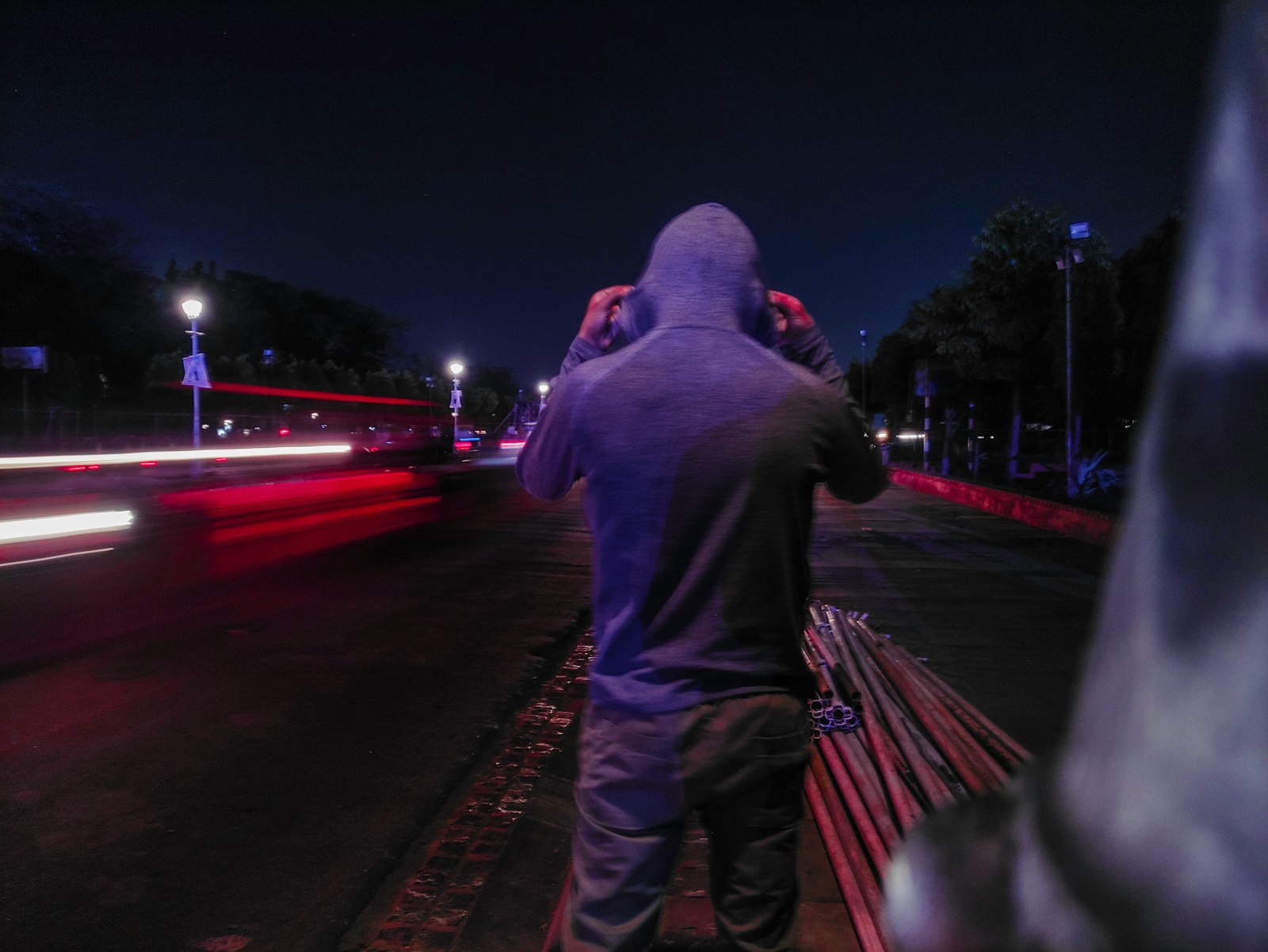
County lines is when gangs use children and vulnerable adults to move and sell drugs, usually from cities into smaller towns, through a dedicated phone “deal line”. Early signs include going missing, unexplained money, phones or clothes, secrecy, dropping out of school and unexplained injuries. If you’re worried, keep talking to your child and get help early: 999 if they’re in danger, otherwise 101, the school or the NSPCC on 0808 800 5000. A child who is exploited is a victim of abuse.
Updated 6 October 2026 · Sources: Home Office County Lines Programme, National Crime Agency, NSPCC, Crimestoppers (Fearless), Missing People (SafeCall), legislation.gov.uk.
If a child is being threatened, hurt or held somewhere, or is missing and you think they’re at risk, call 999 now. You don’t have to wait 24 hours to report someone missing. Worried but not an emergency? Call 101 or the NSPCC helpline on 0808 800 5000. Children can call Childline free on 0800 1111.
County lines in numbers
Sources: Home Office County Lines Programme overview (updated 10 July 2026, figures July 2024 to March 2026); Home Office child criminal exploitation and cuckooing factsheet (2023/24 figure); Crime and Policing Act 2026, section 48. Figures cover police activity, not every child affected.
What is county lines?
The police definition used by the National Crime Agency describes county lines as gangs and organised networks moving illegal drugs into one or more areas of the UK using dedicated mobile phone lines or other “deal lines”. They exploit children and vulnerable adults to carry and store drugs and money, and control them through coercion, intimidation, violence and weapons.
What is child criminal exploitation?
The NSPCC defines criminal exploitation as child abuse where children and young people are manipulated and coerced into committing crimes. County lines is one form of it. The NSPCC notes that children as young as 12 have been exploited this way, and some are moved to other towns and kept in homes that criminals have taken over.
What are the signs a child is involved in county lines?
No single sign proves anything, and teenagers change for many reasons. Look for a pattern. The NSPCC and the National Crime Agency list these warning signs:
What should I do if I think my child is being exploited?
Act early, even if you are not sure. The NSPCC advises listening without judgement, keeping an eye on where your child goes and who with, and contacting professionals as soon as you are concerned. Don’t confront the people you suspect yourself. These four steps keep your child, and you, safer:
1. Stay calm and keep talking
2. Write down what you notice
3. Get advice early
4. Tell the police
Who to call about county lines
Numbers checked on 6 October 2026. Red ▲ = emergency, amber ▬ = report or ask for help today, green ▼ = advice and support. More routes are in our guide to where to report a crime in the UK.
Is my child a criminal or a victim?
Child criminal exploitation is a form of child abuse, so an exploited child should be seen first as a victim who needs protection and support. Police and councils can refer a child to the National Referral Mechanism, the UK system for identifying victims of modern slavery and trafficking; the Home Office counted 2,891 referrals for potential child victims of criminal exploitation in 2024.
Is child criminal exploitation a crime in the UK?
Yes. Exploiters can already be charged with drug, trafficking and modern slavery offences. The Crime and Policing Act 2026 (Royal Assent 29 April 2026) adds a specific UK-wide offence for adults who try to get a child to commit crime, with up to 10 years in prison (section 48). On 6 October 2026 it was not yet in force; check legislation.gov.uk for the start date.
What is cuckooing?
Cuckooing is when criminals take over the home of a vulnerable person and use it for crime, often as a base for dealing drugs. Signs on your street include a lot of visitors at all hours, unfamiliar people coming and going, and a neighbour who suddenly seems withdrawn or scared. The 2026 Act also creates an offence of controlling another person’s home for criminal purposes. Report concerns on 101 or anonymously to Crimestoppers.
Myths vs facts
- Myth: it only happens in big cities. Fact: county lines move drugs from cities into smaller towns and rural areas, so children anywhere can be targeted.
- Myth: a child who carries drugs chose to. Fact: the NSPCC calls criminal exploitation child abuse; children are manipulated, threatened and controlled.
- Myth: I should wait until I’m sure. Fact: charities advise contacting professionals early, and you don’t have to wait 24 hours to report a child missing.
- Myth: it’s only teenage boys. Fact: any child or vulnerable adult can be exploited, including girls and younger children.
Frequently asked questions
Sources
- Home Office: County Lines Programme overview (updated 10 July 2026)
- Home Office: child criminal exploitation and cuckooing factsheet
- legislation.gov.uk: Crime and Policing Act 2026, section 48
- National Crime Agency: county lines
- NSPCC: criminal exploitation and gangs
- Crimestoppers: Fearless
- Missing People: SafeCall (116 000)
- Missing People: how to report someone missing
General safety information for parents and carers, checked 6 October 2026; not legal advice. If a child is in danger, always call 999.
Keep reading
Stay connected with your older teen
For families with teenagers aged 16 and over, Safety App UK lets them send an SOS (by button, shake, or automatically in higher-crime zones) with live location and live video to a trusted circle, and gives you Safe Zone alerts when they arrive at or leave home, school or work. It also shows a live safety map from police data and community reports, with police stations and Ask for Angela venues, and safer routes. It does not call the emergency services, so always dial 999 in an emergency. Free for 7 days, then £2.99 a month. Not for under-16s.