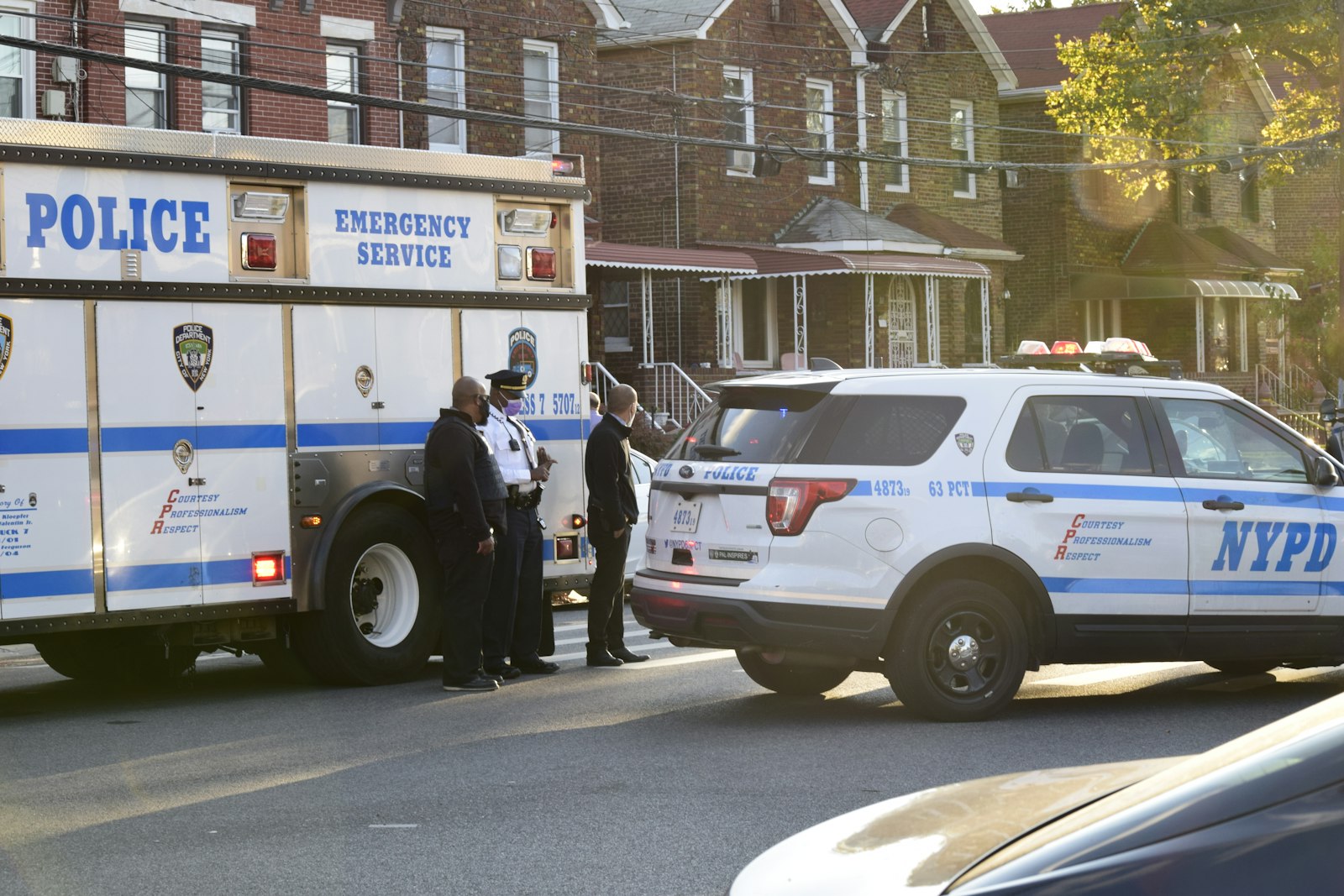
To report a crime anywhere in the UK, call 999 if someone is in danger or the crime is happening now, and use 101 or your police force\'s website if it is not an emergency. England, Wales and Northern Ireland use police.uk; Scotland uses scotland.police.uk. Some crimes have their own route: fraud goes to Report Fraud (in Scotland, Police Scotland), hate crime can be reported online, and Crimestoppers on 0800 555 111 lets you stay anonymous.
Updated 6 October 2026 · Sources: GOV.UK, police.uk, Police Scotland, PSNI, Report Fraud, NHS, NSPCC, Crimestoppers · Next review: January 2027
If a crime is happening now, someone is hurt or anyone is in immediate danger, call 999 and ask for the police. If you can\'t speak, see how to make a silent 999 call. Deaf, hard of hearing or speech-impaired? Use text relay on 18001 999, or 999 BSL.
999, 101 or online: which should I use?
Use 999 when a crime is in progress or someone is in immediate danger. For everything else, call 101 or report online: police.uk says an online report is handled by the control room in exactly the same way as a phone call. 101 only works from inside the UK.
Not sure which number fits? Read 999 or 101? How to report a crime in the UK or check which number should I call?
How do I report a crime online in the UK?
In England, Wales and Northern Ireland, use the police.uk contact page, which covers theft, damage, antisocial behaviour, domestic abuse, sexual offences, stalking, hate crime, spiking and more. In Scotland, use the Police Scotland contact page. The Police Service of Northern Ireland also has its own online form. Keep any crime reference number you are given. Start here: police.uk: contact the police.
Where do I report each type of crime?
Most crimes go to your local police. A few have a specialist route that gets your report to the right team faster. Find your situation in the table, and if anyone is in danger, call 999 first.
If this happened to you, start here
What should I have ready when I report a crime?
You don\'t need everything, so don\'t delay a report to collect it. Have the basics ready: where and when it happened, what happened in order, a description of anyone involved and any evidence you already have. Keep messages, photos and receipts, and don\'t delete anything, even if it is upsetting.
- The place and time (a street name, landmark or what3words address).
- What happened, step by step.
- Descriptions of people, clothing and vehicles, with number plates if you saw them.
- Evidence: photos, screenshots, links, receipts and where CCTV cameras might be.
- Your contact details, unless you are reporting anonymously through Crimestoppers.
- A note of the crime reference number you are given.
Can I get help after a sexual assault without going to the police?
Yes. The NHS says you don\'t have to report to the police to get help at a sexual assault referral centre (SARC). A SARC offers crisis care, medical and forensic examinations, emergency contraception and access to an independent adviser, and evidence can be stored while you decide. Find one with the NHS SARC finder.
Is reporting a crime different in Scotland and Northern Ireland?
Partly. 999, 101 and Crimestoppers work across the whole UK. The differences are online and specialist routes: Scotland has its own Police Scotland website, fraud in Scotland goes to Police Scotland rather than Report Fraud, and hate crime has a different online form in each nation. Helplines also differ, so use the number for where you live.
Key: ▲ same route everywhere · ▬ similar, but a different website or number · ▼ a different organisation.
Who can I call for support after a crime?
These services listen and help you decide what to do next. They are not the police, so you can talk to them whether or not you report. Numbers were checked on the official sites on 6 October 2026.
Worried someone checks your phone? The National Domestic Abuse Helpline site has a quick exit button and tech safety advice from Refuge. More on legal protection: non-molestation orders and Clare\'s Law.
What happens after I report a crime?
The police or service you report to records it and decides what to do next; not every report leads to an investigation. Keep the crime reference number and quote it if you call back or claim on insurance. If you are worried about a child, see Sarah\'s Law for asking the police about someone\'s past.
Frequently asked questions
Yes. You can report a past crime to the police on 101 or online. Some minor offences have time limits for prosecution, so it helps to report as soon as you can, but let the police decide what they can do.
Yes. Witnesses and friends can report to the police on 999, 101 or online. If you don\'t want to give your name, use Crimestoppers on 0800 555 111.
Sources
- GOV.UK: report a crime
- Police.uk: contact the police
- Police Scotland: contact us
- PSNI: hate crime
- GOV.UK: report hate crime
- mygov.scot: hate crime
- Report Fraud
- ACT: Action Counters Terrorism
- GOV.UK: report terrorism online
- British Transport Police
- GOV.UK: report antisocial behaviour
- NHS: help after rape and sexual assault
- CEOP Safety Centre
- NSPCC: reporting abuse
- National Domestic Abuse Helpline
- Live Fear Free (Welsh Government)
- Scotland\'s Domestic Abuse and Forced Marriage Helpline
- nidirect: Domestic and Sexual Abuse Helpline
- Victim Support
- Crimestoppers: give information
General information for the UK, not legal advice. Laws and services change: check GOV.UK or a solicitor for your situation. In an emergency, always call 999.
Keep reading
Let someone you trust know where you are
Safety App UK shows a live safety map built from police data and community reports, with police stations and Ask for Angela venues, and helps you plan safer routes. Share your live location with a trusted circle, get Safe Zone alerts when you arrive or leave, and send an SOS by button or shake (or automatically in higher-crime zones) with live location and live video. It does not call the emergency services. Free for 7 days, then £2.99 a month. For ages 16+.