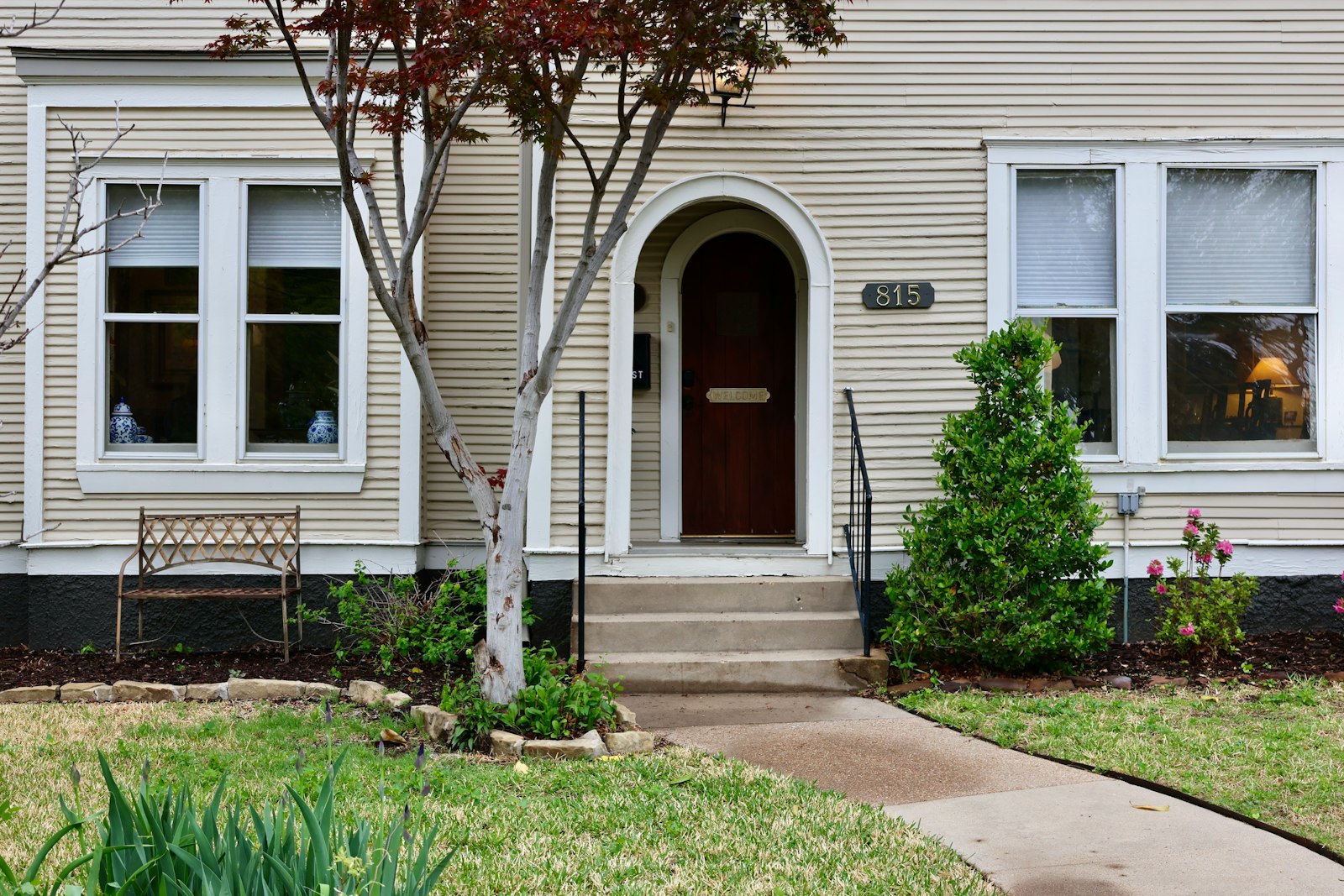
A doorstep scam is when someone turns up uninvited and uses pressure or lies to get your money, your bank details or your valuables: a cold-calling “builder” who finds urgent work on your roof, or a fake police officer, bank courier or meter reader. Don’t let anyone in until you have checked who they are on a number you already have. If they won’t leave or you feel threatened, call 999.
Updated 6 October 2026 · Sources: Citizens Advice and GOV.UK consumer advice, Consumer Contracts Regulations 2013 (legislation.gov.uk), West Yorkshire Police, Take Five to Stop Fraud, Trading Standards
Keep the door shut or the chain on and call 999. The same applies if a trader is pushing you to go to the bank or a cash machine with them. A genuine caller will wait while you check who they are.
Doorstep scams in four numbers
What is a doorstep scam?
It is any trick that starts with an uninvited knock. Rogue traders offer work you don’t need, overcharge or take a deposit and never come back. Bogus callers pretend to be from the police, your bank, the council or a gas, electricity or water company to get inside or take your card. Older people living alone are often targeted, but anyone can be.
What are the warning signs of a rogue trader?
Trading Standards teams list the same warning signs again and again: someone cold calling to look for work, no paperwork, no written information about your right to cancel, and money wanted before any work starts. If you spot even one of these four, say no and close the door.
What should I do when a stranger knocks?
Five steps, based on police and Trading Standards advice. You never have to open the door to anyone, and a genuine caller will not mind waiting while you check.
1. Look before you open
2. Ask who they are and why
3. Check on a number you already have
4. Say no to doorstep deals
5. Report it
Can I cancel work I agreed to at my door?
Usually, yes. Under the Consumer Contracts Regulations 2013 you have 14 days to cancel most contracts made at your home where you pay more than £42. The trader must give you written information about that right. If they never do, the cancellation period can run for up to 12 months longer. Urgent repairs you asked for yourself are an exception.
What is courier fraud?
A caller pretends to be your bank or the police, says there is a problem with your account, and sends a “courier” to collect your card, PIN, cash or jewellery. Take Five to Stop Fraud is clear: your bank or the police will never send a courier to your home to collect these. Hang up, don’t open the door, and call 159 or a number you know.
How do I check someone who says they are from the gas, electricity or water company?
Keep them outside and call the company on the number on your bill. Many energy and water companies also run a doorstep password scheme, often through their Priority Services Register: you choose a password and genuine staff must say it before you let them in. Ask your supplier whether it offers one. Anyone who can’t give the password stays outside.
What if I have already paid a doorstep scammer?
Call your bank straight away on 159 or the number on your card; it may be able to stop or recover a payment. Then report it to Report Fraud on 0300 123 2040 (England, Wales and Northern Ireland) or Police Scotland on 101, and tell Trading Standards through the consumer helpline. Our guide to Report Fraud and what happens next walks you through it.
Who to call about a doorstep caller
Red ▲: call now · Amber ▬: the same day · Green ▼: for advice and reports. Consumer helplines open on weekdays (GOV.UK). Not sure whether to use 999 or 101? See 999 or 101? How to report a crime. To report someone without giving your name, use Crimestoppers.
Myths vs facts
- Myth: “They showed an ID card, so they’re genuine.” Fact: Police advise checking with the organisation on a number from your own records, not one on the card.
- Myth: “I signed, so I have to pay.” Fact: For most doorstep contracts over £42 you have 14 days to cancel, and longer if you were never told about that right.
- Myth: “The police sometimes collect cards as evidence.” Fact: Take Five says your bank and the police will never send a courier to collect your card, PIN, cash or valuables.
Frequently asked questions
Yes. Trading Standards explain that a trader must give you your cancellation rights in writing when you agree to work in your home, and it is a criminal offence if they don’t. Keep any paperwork and report the trader through the consumer helpline.
In an emergency, 999 everywhere. For consumer advice and to report a trader: Advice Direct Scotland on 0808 800 9060, or Consumerline on 0300 123 6262 in Northern Ireland. In Scotland, report fraud to Police Scotland on 101.
Agree a simple rule: never let anyone in uninvited and never pay at the door. Fit a door chain or video doorbell, put useful numbers by the phone, and ask them to call you before agreeing to anything. Ask their energy and water suppliers about a password scheme.
They often start together: courier fraud begins with a phone call and ends with a knock. The rule is the same for both: hang up or close the door, then check on a number you trust. Read our guide to romance scams and what to do if you paid for online tricks.
Sources
- GOV.UK: get consumer advice (Citizens Advice, Advice Direct Scotland, Consumerline)
- legislation.gov.uk: Consumer Contracts Regulations 2013, Part 3 (regs 27, 28, 30, 31)
- West Yorkshire Police: advice on bogus callers and rogue traders
- Take Five to Stop Fraud: courier scams
- Cumberland Council Trading Standards: recognise and report doorstep crime
- Coventry City Council: your rights if you agree work at home
- Thames Water: doorstep password scheme (example)
General information, not legal advice. In an emergency, always call 999.
Keep reading
Let your family know you’re safe at home
Safety App UK lets you share your live location with a trusted circle and get Safe Zone arrival and leave alerts, so family can see when a parent or grandparent gets home. If something feels wrong, an SOS by button or shake sends your live location and live video to your circle. The live safety map shows police data and community reports near you. It does not call the emergency services. Free for 7 days, then £2.99 a month. For ages 16+.